Article guide
Read, understand and apply the ideas to your project.
Humanoid Robots: Will Robots Replace Human Workers?
Imagine walking into a factory and seeing dozens of human-like robots working alongside people. They are carrying boxes, moving products, checking machines and performing tasks that once required many human workers. This may sound like a scene from a science-fiction movie but humanoid robots are becoming a real part of the technology industry.
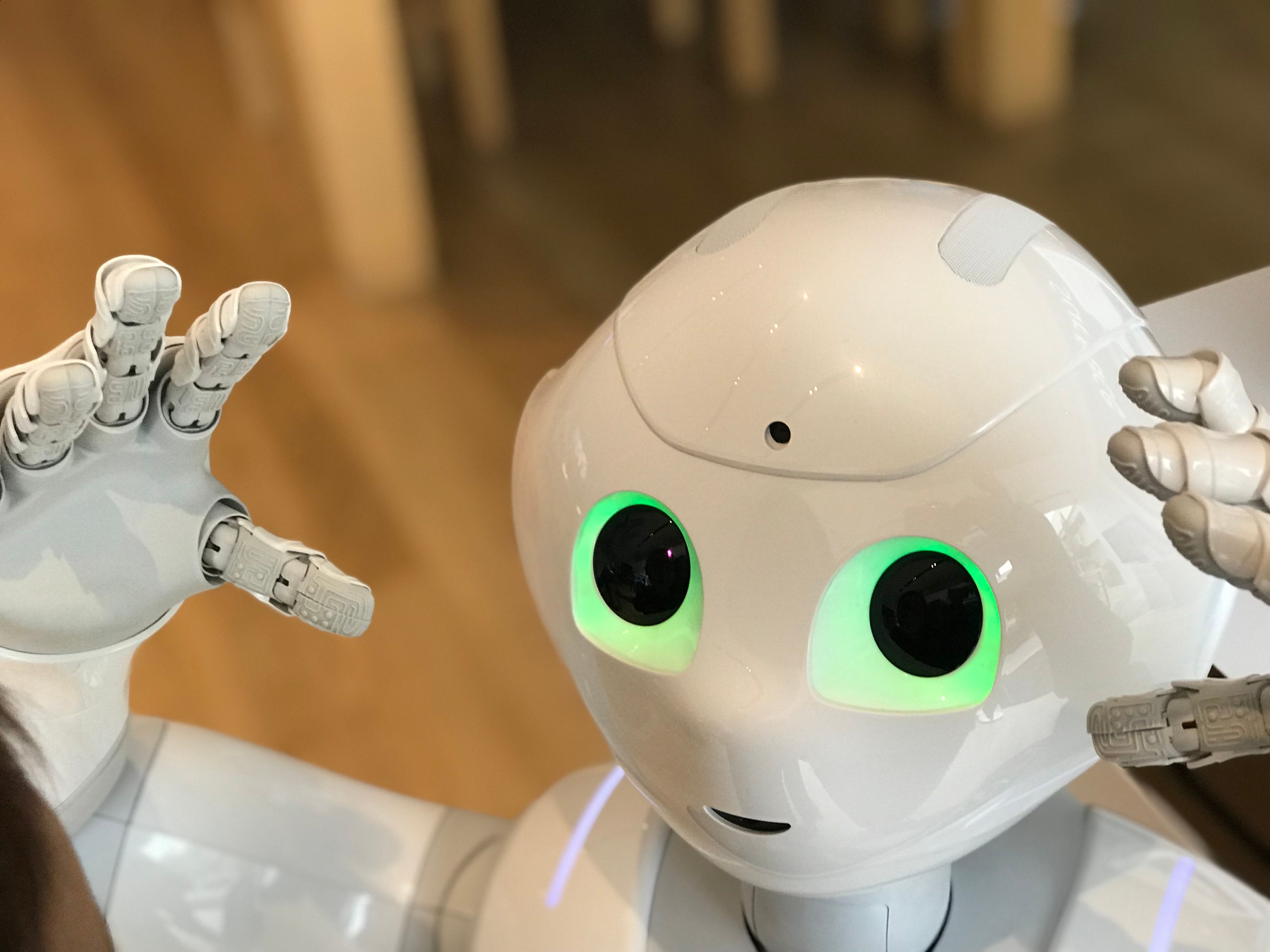
Humanoid robots are advanced machines designed to look, walk and move. They can have two arms, two legs, cameras, sensors and artificial intelligence that helps them understand their surroundings and perform tasks. Unlike traditional robots that which are designed to perform specific tasks humanoid robots are being developed to work in environment built for humans. As this technology continues to advance one important question is becoming harder to ignore: Will humanoid robots replace human workers or will they simply change the way we work.
The simple answer is some jobs and tasks may be replaced but humans are unlikely to disappear from the workplace. Instead the future may be a combination of humans and robots working together.
Why Are Companies Interested in Humanoid Robots?
One major reason is productivity. Robots can work for long periods without getting tired and they can perform repetitive tasks consistently. In factories and warehouses robots can move materials, organize products and perform physically demanding work.
Automation is already growing in industries around the world. The International Federation of Robotics reports that companies are increasingly using automation to improve productivity, strengthen supply chains and respond to labor shortages.
Humanoid robots could become especially useful because they can potentially operate in spaces already designed for people. For example, instead of building a completely new factory for a special machine, a humanoid robot could use existing doors, shelves, tools and workstations.
Which Jobs Could Be Most Affected?
Jobs involving repetitive, predictable or physically demanding tasks may face the greatest pressure from automation
· Factory assembly
· Warehouse operations
· Packaging
· Moving heavy materials
· Basic cleaning
· Repetitive inspection
· Some agricultural tasks
· Certain delivery and logistics activities
This does not mean every worker in these industries will lose their job. In many cases the job itself may change. A worker who once performed repetitive physical tasks could move into a role involving robot supervision, maintenance, quality control or planning.
The World Economic Forum's 2025 Future of Jobs Report estimates that robotics and autonomous systems could displace around 5 million more jobs than they create by 2030. At the same time, technological change is expected to create many new types of work.
Humans Still Have Important Advantages
Human have abilities that are difficult for robots to reproduce completely.
People can understand emotions, build relationships, make complex judgments, handle unexpected situations and use creativity in ways that remain difficult for machines. A robot may be able to follow instructions very quickly but real-life situations are often unpredictable.
Consider a teacher, nurse, manager, artist or social worker. These professions require communication, empathy, judgment, responsibility and human connection.
For this reason the future workplace is more likely to involve human-machine collaboration rather than humans simply being replaced.
A 2026 World Economic Forum framework examining more than 80 industrial jobs found that many roles are expected to evolve toward higher-value activities. It also identified growing importance for skills such as judgment, machine oversight, risk assessment and governance of autonomous systems.
Robots Could Also Create New Jobs
Every technological revolution transforms the way we work and live. Humanoid robots may do the same.
As robots become more common companies will need people who can design, program, repair, monitor and manage them.
New opportunities could include
· Robotics engineers
· Robot technicians
· AI specialists
· Automation managers
· Robot safety experts
· Autonomous logistics specialists
· AI and robotics trainers
· Human-machine collaboration specialists
This means workers may need to learn new skills instead of simply competing against machines.
The Biggest Challenge: Learning New Skills
The biggest challenge may not be robots themselves. It may be whether workers have enough opportunities to learn new skills.
Technology changes quickly and workers who depend only on traditional skills may find it difficult to adapt. Businesses, universities and governments will therefore need to provide training in digital skills, AI, robotics, problem-solving and machine management.
The World Economic Forum says that around 40% of future industrial skills identified in its 2026 framework are new or emerging showing how significantly workplace skills may change.
Will Robots Completely Replace Humans?
A complete replacement of human workers is unlikely in the near future.
Humanoid robots still face major challenges, including cost, safety, reliability, battery life, complex environments and the ability to make good decisions in unpredictable situations. Moving from demonstrations and pilot projects to widespread everyday use requires significant technological and organizational progress.
Instead of asking, “Will robots take all our jobs?” a better question may be, “Which parts of our jobs will robots do, and which parts will humans continue to do?”
This change could actually make some jobs better. If robots handle dangerous, exhausting or repetitive tasks humans could spend more time on creative, strategic and interpersonal work.
Conclusion
Some repetitive and physical jobs may disappear or become smaller as automation increases. However this does not mean humans will become unnecessary. Instead workers will increasingly need to learn how to work with intelligent machines.
The future isn’t robots replacing humans- its about robots and humans working together to build a smarter better world.
The workers who succeed in this future will not necessarily be those who compete against robots. They may be the people who learn how to use, manage and work alongside them.
Humanoid robots could therefore change the workplace—but whether they become a threat or an opportunity will depend largely on how humans choose to use this technology.
Author
My name is Zahra. I live in Pakistan. I am a professionally content writer and blogger with five years of experience. I write clear simple and engaging content for different platforms. I focus on creating original, well-researched and reader-friendly articles. I am creative, dedicated and always complete my work on time. My goal is to create useful content that informs, helps and connects with readers.