Article guide
Read, understand and apply the ideas to your project.
AI for Beginners: Everything You Need to Know
Ever wondered what Artificial Intelligence (AI) really is and how you can get started with it? You're in the right place! AI might sound like something out of a sci-fi movie, but it's all around us and easier to understand than you think. This guide will cut through the jargon and give you a simple, practical overview to kickstart your journey into this exciting field.
What is AI? A Quick Intro
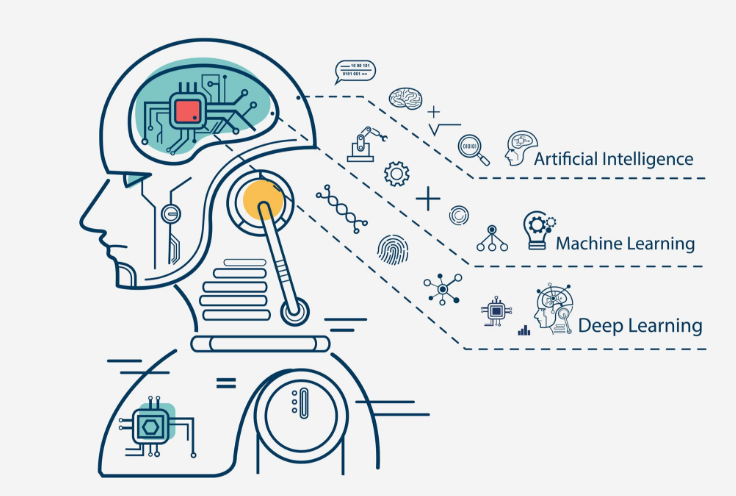
Simply put, Artificial Intelligence (AI) is about creating machines that can think and act like humans. This means machines that can learn, understand, reason, solve problems, perceive, and even interact with us using language. It's not just about robots; it's the intelligence behind many technologies we use daily.
Key Concepts & Fundamentals for AI Beginners
- Machine Learning (ML): This is a core part of AI that lets systems learn from data without being explicitly programmed. Think of it like teaching a child by showing them many examples.
- Deep Learning (DL): A specialized subset of Machine Learning that uses complex structures called neural networks to learn from vast amounts of data. It's particularly powerful for tasks like image recognition and natural language processing.
- Neural Networks: These are algorithms inspired by the human brain's structure, designed to recognize patterns. They have layers of "neurons" that process information.
- Data: The fuel for AI! AI models learn by analyzing massive datasets. The quality and quantity of your data directly impact how well your AI performs.
- Algorithms: These are the step-by-step instructions or "recipes" that AI models follow to perform tasks, learn patterns, and make predictions.
Your Step-by-Step Guide to Getting Started with AI
Ready to dive in? Here’s a simple roadmap:
- Learn Python: It’s the go-to language for AI because of its simplicity and extensive libraries. Focus on basics, data structures, and object-oriented programming.
- Brush Up on Math: Don't panic! Basic understanding of linear algebra, calculus, and statistics is very helpful. Many concepts are implemented in libraries, but knowing the "why" improves your understanding.
- Understand Machine Learning Fundamentals: Start with basic ML algorithms like linear regression, logistic regression, and decision trees.
- Practice with Datasets: Platforms like Kaggle offer free datasets and competitions. This is where you apply what you learn.
- Start Small Projects: Don’t aim to build the next ChatGPT immediately. Begin with simple projects like predicting house prices, classifying images, or building a basic chatbot.
- Join Communities: Engage with other learners and developers. Online forums, local meetups, and open-source contributions are great for learning and networking.
Essential Tools & Technologies for AI Development
Here are some popular tools you'll encounter:
- Programming Languages: Python (primary), R, Java.
- Libraries & Frameworks:
- TensorFlow & Keras: Developed by Google, powerful for deep learning.
- PyTorch: Developed by Facebook, known for its flexibility.
- scikit-learn: A user-friendly library for traditional machine learning algorithms.
- NumPy & Pandas: Essential for numerical computing and data manipulation in Python.
- Development Environments: Jupyter Notebook (interactive coding), VS Code.
- Cloud Platforms: AWS (Amazon Web Services) ML, Google Cloud AI Platform, Azure Machine Learning.
Real-World Applications of AI You Use Every Day
AI is not just in labs; it's integrated into our lives:
- Recommendation Systems: "People who bought this also bought..." (Amazon, Netflix, YouTube).
- Virtual Assistants & Chatbots: Siri, Google Assistant, customer service bots.
- Spam Filters: Keeping your inbox clean.
- Image & Facial Recognition: Unlocking your phone, tagging friends on social media.
- Self-Driving Cars: AI helps them perceive surroundings and make decisions.
- Medical Diagnosis: Assisting doctors in detecting diseases from scans.
Common Mistakes to Avoid on Your AI Journey
Everyone makes mistakes; learning from them is key:
- Skipping the Basics: Don't jump straight to deep learning without understanding fundamental ML concepts.
- Not Understanding Your Data: AI models are only as good as the data they're trained on. Spend time cleaning and exploring your data.
- Ignoring Ethical Considerations: Be aware of biases in data and the potential impact of your AI creations.
- Overfitting Your Model: When a model learns the training data too well, it performs poorly on new, unseen data. Keep an eye out for this!
- Underfitting Your Model: When a model is too simple to capture the underlying patterns in the data.
Conclusion & Your Next Steps!
AI is a fascinating and rapidly evolving field with endless possibilities. While it can seem daunting, starting with the fundamentals and consistently practicing will set you up for success. Remember, every expert was once a beginner!
Ready to put your knowledge to the test? Explore thousands of AI projects on Projects Hub, get inspiration, or better yet – start building your own AI project today! The future is intelligent, and you can be a part of creating it.