Article guide
Read, understand and apply the ideas to your project.
Don't Fall for AI Scams: A Student's Guide to Staying Safe Online
Artificial Intelligence (AI) is transforming our world, bringing incredible innovations but also new challenges. Unfortunately, scammers are quick to adopt new tech, and AI is no exception. As students and aspiring engineers, understanding these emerging threats is crucial for protecting ourselves and others in the digital realm. This practical guide will help you spot and avoid AI-powered scams, keeping your projects and personal information secure.
What Are AI Scams? The Fundamentals
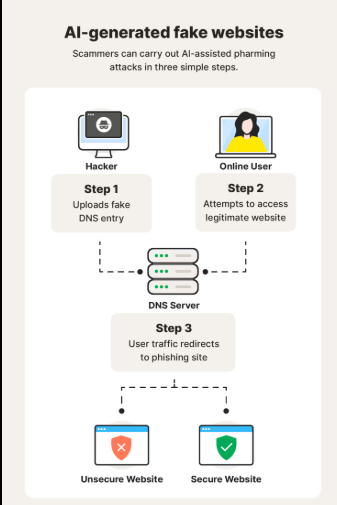
AI scams leverage artificial intelligence to make traditional scams more convincing and harder to detect. Instead of simple, obvious phishing emails, scammers can now use AI for:
- Deepfakes: AI can generate incredibly realistic fake videos or audio of people, making it seem like someone is saying or doing something they never did. This is often used for impersonation in video calls or public statements.
- Voice Cloning: Imagine a scammer calling you, sounding exactly like a family member or a supervisor, asking for urgent help or money. AI can replicate voices from even short audio samples.
- Hyper-Personalized Phishing: AI can analyze vast amounts of public data to craft highly targeted and convincing phishing emails or messages that appear to come from trusted sources (like your university, bank, or a project collaborator), making them very difficult to distinguish from legitimate communications.
- Automated Social Engineering: AI-powered chatbots can interact with victims, building trust over time to extract sensitive information or money, often posing as romantic interests, investment advisors, or tech support.
The core idea behind these scams is to exploit trust, urgency, and human psychology, but with AI making the trickery far more sophisticated and believable.
How to Avoid AI Scams: Your Step-by-Step Guide
Staying safe online requires vigilance and critical thinking. Here's what you can do:
- Verify the Source Independently: If you receive an unusual request via email, text, or even a call (especially if it involves money, personal data, or project credentials), contact the sender directly using a known number or email – not the one provided in the suspicious message. Call back on an official number from their website or a trusted directory.
- Look for Red Flags:
- Urgency: Scammers often create a sense of panic or extreme urgency to make you act without thinking. Take a breath.
- Unusual Requests: Is your "professor" asking you to buy gift cards? Is a "friend" asking for money in a way they normally wouldn't?
- Grammar and Spelling: While AI can generate perfect text, some scams still contain errors, or the tone might feel "off" or overly formal/informal for the context.
- Too Good to Be True: Investment opportunities with guaranteed high returns, free money, or prizes you didn't enter are almost always scams.
- Protect Your Digital Footprint: Be mindful of what you share online. Less public data means less material for AI to use to create personalized scams against you. Review your social media privacy settings.
- Use Strong Security Measures:
- Enable Two-Factor Authentication (2FA) on all your important accounts (email, social media, banking, project platforms).
- Use strong, unique passwords for every service. A password manager can help.
- Keep your software (operating system, browser, applications) updated to patch security vulnerabilities.
- Educate Yourself: Stay informed about the latest scam tactics and cybersecurity news. Understanding common patterns helps you spot new ones.
- Trust Your Gut: If something feels wrong, even subtly, it probably is. Don't let fear, excitement, or politeness override your common sense.
Tools & Technologies in the Fight Against Scams
While AI is used for scams, other technologies and practices can help protect you:
- Two-Factor Authentication (2FA): Adds an essential layer of security, making it significantly harder for scammers to access your accounts even if they somehow obtain your password.
- Password Managers: Tools like LastPass, 1Password, or Bitwarden generate and securely store complex, unique passwords for all your online accounts, protecting you from credential stuffing attacks.
- Antivirus and Antimalware Software: Keep these updated on all your devices to protect against malicious software that might be part of a scam (e.g., keyloggers, remote access Trojans).
- Reverse Image/Video Search: If you encounter a suspicious image or video (especially a deepfake), tools like Google Reverse Image Search or dedicated deepfake detection tools (though still evolving) can sometimes reveal its origin or if it's been manipulated.
- Critical Thinking: Perhaps the most powerful "tool" is your ability to critically assess information, verify sources, and question anything that seems out of place.
Real-World Examples of AI Scams
- The "CEO Fraud" Deepfake: A finance director received a voice call that sounded exactly like the company's CEO, instructing them to make an urgent, large transfer to an overseas account. It was a sophisticated deepfake voice cloning scam.
- AI-Generated Phishing Campaigns: Scammers use generative AI to write highly convincing emails that mimic legitimate brands (e.g., tech companies, online stores, government agencies), tricking users into revealing login credentials or financial details. These often bypass traditional spam filters.
- Romance Scams with AI Avatars: Scammers utilize AI-generated images and text to create entirely fake online personas, building emotional relationships with victims over months before asking for money for fabricated emergencies.
- Fake AI Investment Platforms: Promising incredibly high, guaranteed returns from proprietary AI trading algorithms, these platforms are entirely fraudulent, luring victims with sophisticated interfaces and fake testimonials.
Common Mistakes to Avoid
- Clicking Unknown Links: Never click on links in suspicious emails or messages without verifying their legitimacy. Hover over links to see the true URL.
- Sharing Too Much Personal Info: Oversharing on social media (e.g., travel plans, family details) makes it easier for scammers to gather details for personalized attacks.
- Panicking Under Pressure: Scammers thrive on creating urgency and fear. Take a deep breath, step back, and verify before acting on any high-pressure requests.
- Relying Solely on Digital Verification: If someone calls and claims to be from your bank, don't trust the caller ID. Hang up and call your bank back using their official number from their website or your bank statement.
- Believing "Too Good to Be True" Offers: If an investment promises unrealistic returns or an offer seems incredibly generous, it's almost certainly a scam.
Stay Smart, Stay Safe!
AI is a powerful tool, and like any tool, it can be used for good or for bad. By understanding how AI is being leveraged by scammers and taking proactive, simple steps, you can significantly reduce your risk of falling victim. Your knowledge as an engineering student makes you uniquely positioned to not only protect yourself but also to help educate others and even contribute to building solutions that combat these evolving threats.
Ready to explore more? Dive into our cybersecurity projects section to see how you can build tools for a safer digital world, or start your own project focusing on AI safety and detection! Protecting digital integrity starts with you.