Quick Summary
Discover the top AI jobs of the future, from Machine Learning Engineer to Data Scientist. Learn essential skills, tools, and tips to kickstart your career
Full Article
Formatted content with headings, lists & code blocks
Navigating the AI Frontier: Your Guide to In-Demand Jobs
Artificial Intelligence (AI) isn't just a buzzword anymore; it's a powerful force reshaping industries and creating exciting new career paths. For engineering students and aspiring developers, understanding where AI is heading and which jobs will be most sought after is key to building a successful future. Let's explore the roles that will define the next era of technology!
Key Concepts: What Powers the AI Revolution?
At its heart, AI involves teaching machines to learn from data, make decisions, and solve problems like humans do. This complex field is driven by several core ideas:
- Machine Learning (ML): Algorithms that learn from data without explicit programming. Think recommendation systems or spam filters.
- Deep Learning (DL): A subset of ML using neural networks to process vast amounts of data, essential for tasks like image recognition and natural language processing.
- Data Science: Extracting insights and knowledge from structured and unstructured data, often using statistical methods and ML.
- Automation & Robotics: Applying AI to control robots and automate tasks, from manufacturing to self-driving cars.
The Most In-Demand AI Jobs You Should Know
Here are some of the hottest roles shaping the AI landscape:
- Machine Learning Engineer: These professionals design, build, and maintain ML systems. They work with data scientists to deploy models into production.
- Data Scientist: Often called the "AI generalists," they collect, analyze, and interpret large datasets to identify trends and solve business problems.
- AI Engineer: A broad role focusing on developing and implementing AI models and applications across various domains, often integrating AI solutions into existing systems.
- Robotics Engineer: Combining AI with robotics, these engineers design and program robots capable of performing complex tasks autonomously.
- Natural Language Processing (NLP) Engineer: Specializes in enabling computers to understand, interpret, and generate human language. Think chatbots and language translation.
- Computer Vision Engineer: Focuses on teaching computers to "see" and interpret visual data from images and videos, crucial for facial recognition and autonomous vehicles.
- AI Ethicist / AI Product Manager: While not purely technical, these roles are becoming vital for ensuring AI development is responsible, fair, and aligned with societal values, and for guiding the creation of AI products.
Your Roadmap: Steps to an AI Career
Ready to jump into AI? Here's how you can prepare:
- Build a Strong Foundation: Master programming languages like Python, and brush up on linear algebra, calculus, and statistics. These are the bedrock of AI.
- Specialize in a Niche: While broad knowledge is good, choose an area like ML, NLP, or computer vision to delve deeper into.
- Gain Hands-on Experience: Work on personal projects, participate in hackathons, and seek internships. Practical application is priceless.
- Learn Key Tools & Technologies: Get comfortable with the platforms and libraries used in the industry.
- Stay Updated: AI is fast-evolving. Follow leading researchers, read papers, and take online courses to keep your skills sharp.
- Network: Connect with professionals in the field, attend webinars, and join online communities.
Essential Tools & Technologies for AI Professionals
Getting familiar with these will give you a significant edge:
- Programming Languages: Python (dominant), R, Java, C++
- Machine Learning Frameworks: TensorFlow, PyTorch, Keras, Scikit-learn
- Data Manipulation & Analysis: Pandas, NumPy, SQL
- Cloud Platforms: AWS (Amazon Web Services), Microsoft Azure, Google Cloud Platform (GCP)
- Development Tools: Jupyter Notebooks, Git
Real-World Impact: Where AI Shines
These jobs aren't just theoretical; they're solving real problems:
- Healthcare: Aiding in disease diagnosis, drug discovery, and personalized treatment plans.
- Finance: Detecting fraud, powering algorithmic trading, and personalizing financial advice.
- Retail: Driving recommendation engines, optimizing supply chains, and enhancing customer service with chatbots.
- Autonomous Vehicles: Enabling self-driving cars and delivery drones through computer vision and decision-making AI.
- Smart Assistants: Powering virtual assistants like Siri and Alexa, understanding voice commands and providing information.
Common Mistakes to Avoid on Your AI Journey
Steer clear of these pitfalls:
- Ignoring Fundamentals: Don't jump straight into complex models without understanding the underlying math and statistics.
- Lack of Practical Experience: Theory alone isn't enough. Build projects, even small ones.
- Not Specializing: While it's good to be broad, having a specific niche can make you more marketable.
- Forgetting Ethics: AI has a huge impact. Always consider the ethical implications of your work.
- Giving Up Too Soon: AI can be challenging. Persistence and continuous learning are key.
Your Future in AI Starts Now!
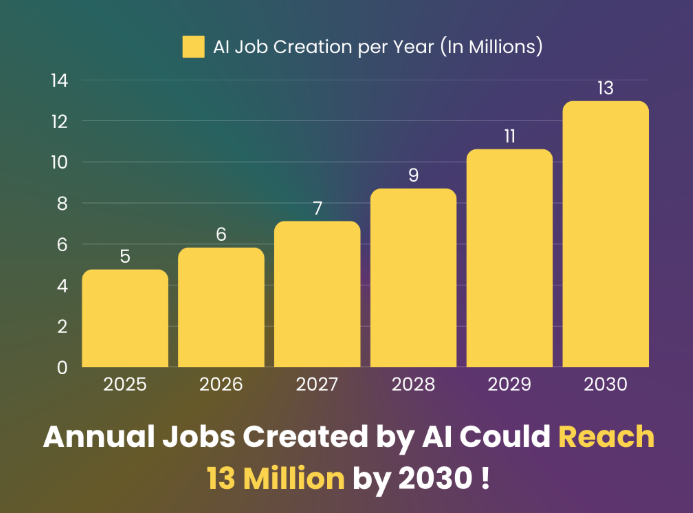
The field of AI offers a dynamic and rewarding future for those willing to learn and innovate. The demand for skilled AI professionals is only going to grow. By focusing on fundamental skills, practical application, and continuous learning, you can carve out an exciting career in this transformative domain.
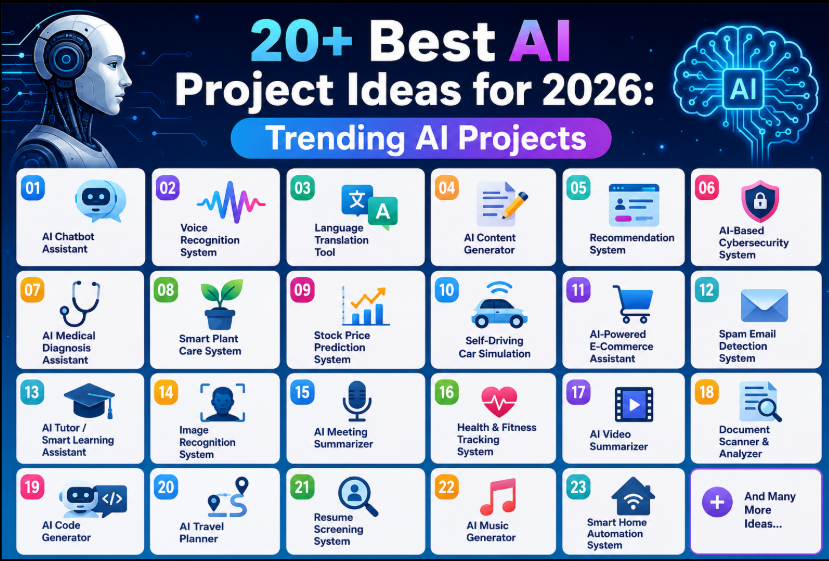
Ready to build your AI portfolio? Explore real-world projects on Projects Hub and start bringing your ideas to life today!