Quick Summary
Discover the future of AI, from generative models to ethical considerations. Learn key concepts, tools, and tips to prepare for the next evolution of artif
Full Article
Formatted content with headings, lists & code blocks
The Next Evolution of AI: What's Coming and How You Can Get Ready
Artificial Intelligence (AI) is transforming our world at an incredible pace. From smart assistants in our pockets to self-driving cars navigating our roads, AI is already deeply integrated into our daily lives. But what's next? AI is evolving rapidly, moving beyond what we see today, promising even more profound changes. Let's explore the exciting future of AI and how you, as a student or developer, can be a part of shaping it!
Key Concepts in AI's Next Wave
To understand where AI is headed, it's good to grasp some core ideas that are gaining significant traction:
- Generative AI: Moving beyond just analyzing data, generative AI systems can create new, original content like realistic images, human-like text, or even music. Think large language models (LLMs) like ChatGPT and image generators like DALL-E.
- Ethical AI: As AI becomes more powerful and influential, ensuring it's fair, transparent, and doesn't cause harm is paramount. This involves developing AI responsibly and addressing biases.
- Explainable AI (XAI): Making AI models less of a "black box" so we can understand why they make certain decisions. This is crucial for trust, especially in critical applications like healthcare.
- Edge AI: Running AI directly on devices (like your smartphone, smart camera, or drone) instead of always needing to send data to the cloud. This makes AI faster, more private, and more efficient.
- AI Agents: These are AI systems capable of performing complex tasks autonomously, interacting with dynamic environments, and making decisions over an extended period without constant human intervention.
How to Prepare for the Future of AI
Want to jump into this exciting field and contribute to its next evolution? Here are some steps and tips to guide your journey:
- Master the Basics: Start with strong programming skills (Python is dominant in AI), fundamental data structures, and algorithms. Understand core Machine Learning concepts like supervised, unsupervised, and reinforcement learning.
- Explore Deep Learning Frameworks: Get hands-on with powerful libraries like TensorFlow or PyTorch. These are essential for building complex neural networks that power much of advanced AI.
- Dive into Generative Models: Experiment with Generative Adversarial Networks (GANs) or Transformer architectures. Try building a simple text generator or an image style transfer tool.
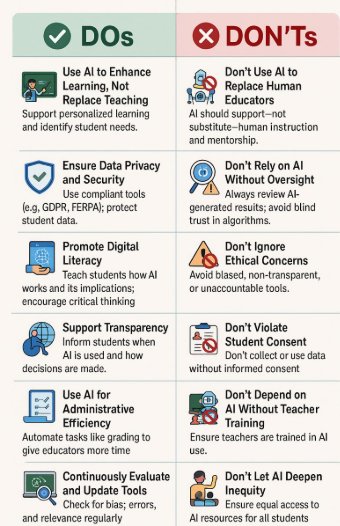
- Understand AI Ethics: Learn about bias in AI, data privacy, and fairness. Incorporating ethical considerations into your projects from the start is becoming a critical skill.
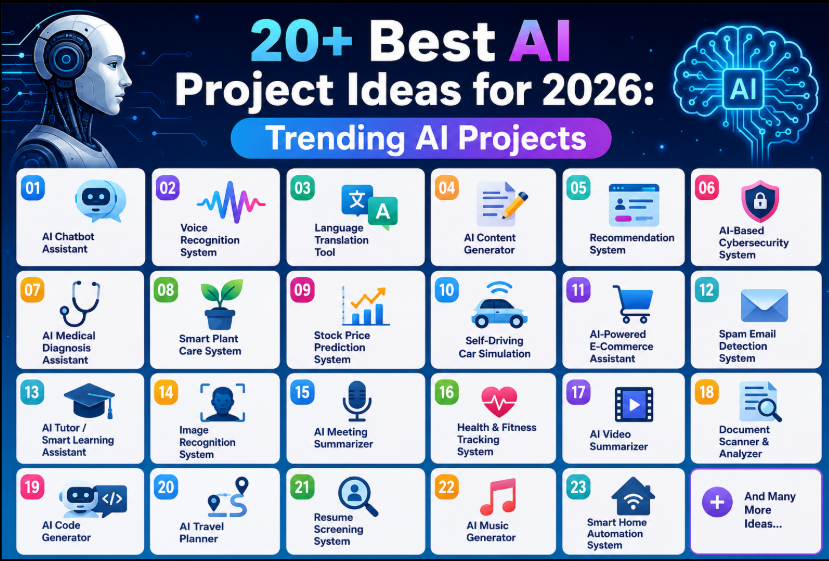
- Work on Projects: The best way to learn is by doing! Build a portfolio of AI projects, no matter how small. Start with tutorials and then try to modify or expand upon them.
- Stay Updated: The AI field is incredibly fast-paced. Follow leading researchers, read recent papers, participate in AI communities, and attend webinars.
Essential Tools & Technologies
Here are some popular tools and technologies you'll likely encounter and use:
- Programming Languages: Python (by far the most popular), R, Java.
- Machine Learning Libraries: Scikit-learn, NumPy, Pandas.
- Deep Learning Frameworks: TensorFlow, PyTorch, Keras.
- Cloud Platforms: AWS (Amazon SageMaker), Google Cloud AI Platform, Azure Machine Learning – for scalable computing and pre-built AI services.
- Data Visualization: Matplotlib, Seaborn.
- Development Environments: Jupyter Notebooks, VS Code.
Real-World Applications of Evolving AI
The next evolution of AI will power incredible advancements across various sectors:
- Hyper-Personalized Content: AI that understands your preferences deeply to create unique content, experiences, and recommendations just for you, in real-time.
- Advanced Robotics: More intelligent and autonomous robots capable of complex decision-making, natural human-robot interaction, and adapting to dynamic environments (e.g., in elder care, logistics, or hazardous environments).
- Drug Discovery & Healthcare: AI accelerating the discovery of new medicines, personalizing treatments based on individual genetics, and improving diagnostic accuracy with explainable models.
- Sustainable Solutions: AI optimizing energy grids, predicting climate patterns with higher accuracy, developing smart solutions for resource management, and fostering circular economies.
- Creative Arts: AI co-creating music, visual art, literature, and even game narratives with human artists, pushing the boundaries of creativity and expression.
Common Mistakes to Avoid
Embarking on your AI journey is exciting, but watch out for these common pitfalls:
- Ignoring Basics: Jumping straight into complex deep learning without a solid grasp of fundamental ML concepts can lead to frustration and confusion.
- Over-Complicating Solutions: Sometimes a simpler model or approach works best. Don't always reach for the most complex AI algorithm if a simpler one suffices.
- Neglecting Data Quality: "Garbage in, garbage out." Poor quality or biased data will always result in poor AI performance. Spend time cleaning, preprocessing, and understanding your data.
- Overlooking Ethics: Building powerful AI without considering its societal impact, potential biases, or privacy implications is a major oversight with real-world consequences.
- Not Practicing Enough: Reading about AI is essential, but building AI through hands-on projects and experimentation is where true learning and skill development happen.
Conclusion: Your Role in the AI Revolution
The next evolution of AI isn't just about advanced algorithms and cutting-edge research; it's about how we, as creators, innovators, and future leaders, harness its immense potential responsibly and creatively. The field is ripe with opportunities for those willing to learn, experiment, and contribute to technologies that will shape our world for decades to come.
Ready to build the future? Explore more projects on Projects Hub to get inspired, or start building your own innovative AI solution today!