Quick Summary
Explore how augmented reality (AR) is transforming industries in 2026, from gaming and education to healthcare and retail. Discover the future of AR technology.
Full Article
Formatted content with headings, lists & code blocks
Introduction: What Is Augmented Reality (AR)?
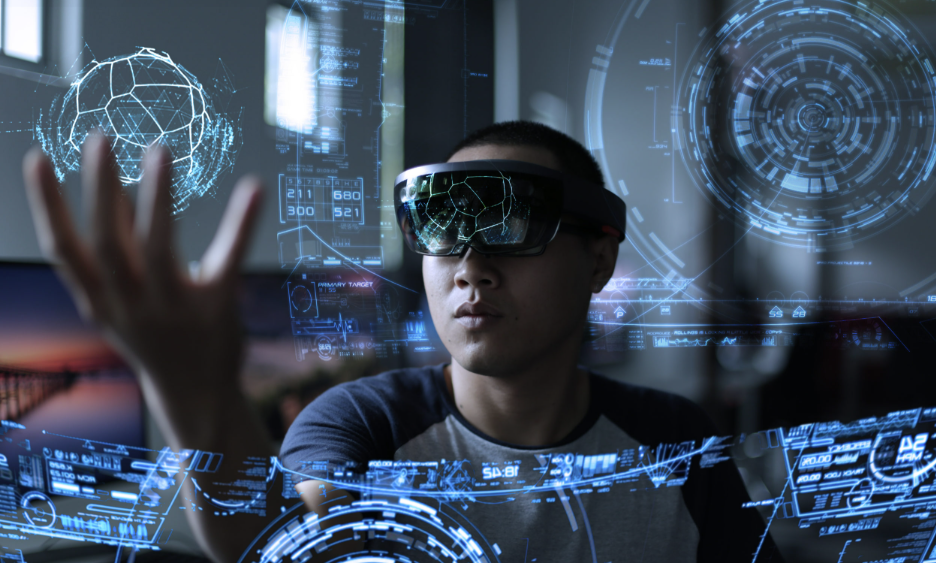
Augmented Reality (AR) is a technology that blends the digital world with the real world. Unlike Virtual Reality (VR), which immerses users in a completely digital environment, AR enhances the real world by adding digital elements overlaid on it. In 2026, AR is not just about gaming—it's shaping various industries, improving our daily lives, and pushing the boundaries of what's possible.
The Growth of AR in Gaming
Gaming is one of the biggest areas where AR has exploded. In 2026, AR gaming is more immersive than ever. Players can interact with their environment in real-time, bringing video games to life in their own living rooms, parks, or even on the streets. Whether it’s treasure hunts, interactive experiences, or city-wide adventures, AR is revolutionizing how we play and engage with games.
AR in Education: Revolutionizing Learning
In the field of education, AR is providing new ways to learn. Imagine reading a textbook, but instead of just static images and words, 3D models pop out, illustrating the concepts being taught. AR allows students to experience learning in a more interactive, engaging, and memorable way. From virtual field trips to interactive science experiments, AR is creating a new era of education that makes learning fun and accessible.
The Impact of AR on Retail and E-Commerce
In the retail world, AR is enhancing the shopping experience. Brands are allowing customers to "try before they buy" using AR. For example, you can try on clothes virtually through your phone or see how a piece of furniture looks in your living room before making a purchase. This helps customers make informed buying decisions and gives businesses a competitive edge in a crowded marketplace.
AR in Healthcare: Improving Patient Care
Healthcare is another sector where AR is making significant strides. Surgeons are using AR to overlay digital images over a patient’s body during surgery, improving precision and reducing errors. Doctors are also using AR to better explain medical conditions to patients by providing interactive 3D models of organs and systems. AR is not just enhancing medical training but is also improving patient outcomes.
AR in Real Estate: Virtual Property Tours
With AR, house hunters can take virtual tours of properties without leaving their homes. Real estate agents are using AR to show potential buyers how properties will look after renovations or how different furniture layouts might work. This technology makes it easier for buyers to visualize spaces, improving the property search experience.
Why AR Matters for the Future of Tech
AR is not just a passing trend—it’s becoming a staple in many industries. By 2026, we can expect AR to be fully integrated into our daily lives, with practical uses that go beyond entertainment. The potential for AR to transform business processes, education, healthcare, and consumer experiences is immense. As the technology evolves, its impact will continue to grow, bringing us closer to a more connected, interactive, and immersive world.