Quick Summary
Learn about autonomous AI agents, their key concepts, tools, and real-world uses. Get tips to avoid common mistakes and start building your own AI projects
Full Article
Formatted content with headings, lists & code blocks
The Rise of Autonomous AI Agents: Your Simple Guide to the Future of Tech
Ever wondered if computers could do more than just follow instructions? Imagine software that can think, plan, and act on its own to achieve a goal, adapting as it goes. Welcome to the exciting world of Autonomous AI Agents!
These agents are not just fancy chatbots. They are programs designed to operate independently, making decisions and executing tasks without constant human input. This guide will break down what they are, how they work, and why they're becoming a game-changer for students and developers like you.
What Exactly Are Autonomous AI Agents?
At its core, an autonomous AI agent is a computer program that can:
- Perceive its environment (understand input data).
- Think/Plan its next steps based on its goals.
- Act upon its environment (perform actions).
- Learn from its experiences to improve over time.
Think of them as smart digital assistants that don't just answer questions but can actually do things for you, like managing your schedule, conducting research, or even writing code, all by themselves.
Key Concepts and Fundamentals
To build or understand autonomous AI agents, it's good to grasp a few core ideas:
- Goals & Planning: Agents need a clear objective. They break this down into smaller, manageable steps, often using Large Language Models (LLMs) to reason through the process.
- Memory: They need to remember past interactions, decisions, and outcomes. This could be short-term (context of current task) or long-term (knowledge base, past learnings).
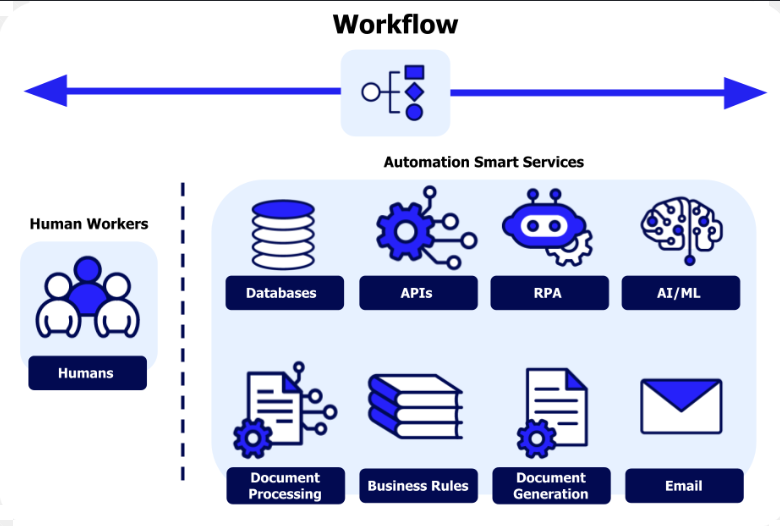
- Tools: Agents often extend their capabilities by using external tools, much like we use apps on our phones. This can include web search, code interpreters, APIs, or database queries.
- Feedback Loops: After taking an action, an agent needs to evaluate if it moved closer to its goal. This feedback helps it correct course or refine its strategy.
Tips for Working with Autonomous AI Agents
Ready to dive in? Here are some practical tips:
- Define Clear Goals: Start with a specific, measurable objective. Ambiguous goals lead to confused agents.
- Choose the Right Tools: Select tools and APIs that are well-suited for your agent's tasks. The quality of its tools directly impacts its effectiveness.
- Iterate and Test: Autonomous agents can be unpredictable. Test them in controlled environments, observe their behavior, and refine their prompts and logic.
- Manage Expectations: While powerful, they are not omnipotent. Understand their current limitations and design your projects accordingly.
- Prioritize Safety and Ethics: As agents become more independent, consider the potential impact of their actions. Design them with guardrails and ethical considerations in mind.
Tools and Technologies You'll Encounter
Here are some popular technologies making autonomous AI agents possible:
- Frameworks: LangChain, LlamaIndex, and CrewAI are popular Python frameworks that help you build agent-like applications by providing components for memory, tool integration, and prompt management.
- Large Language Models (LLMs): Models like OpenAI's GPT series (e.g., GPT-4), Anthropic's Claude, or open-source alternatives are the "brains" that power an agent's reasoning.
- APIs: Web search APIs (Google Search), code execution environments, and various service-specific APIs (e.g., calendar, email) allow agents to interact with the real world.
- Vector Databases: Used for long-term memory, allowing agents to store and retrieve relevant information efficiently.
Real-World Applications for Students
Autonomous AI agents are already transforming many areas:
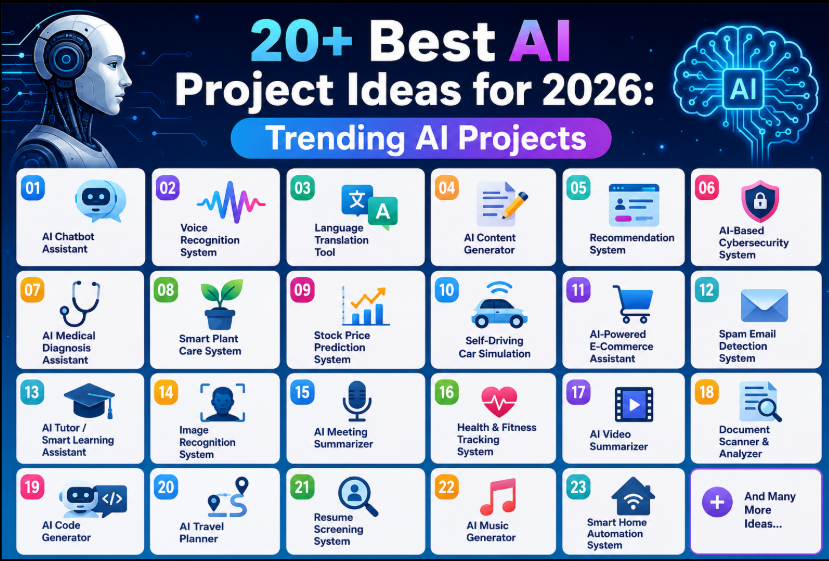
- Personal Research Assistants: Imagine an agent that can scour academic papers, summarize findings, and even generate project ideas for your assignments.
- Automated Code Generation & Debugging: Agents can help write code, identify bugs, and suggest fixes, speeding up your development process.
- Smart Home Automation: Beyond simple commands, agents could proactively manage your home environment based on your habits and preferences.
- Customer Support Bots: More advanced than current chatbots, these agents could resolve complex issues without human intervention.
- Educational Tutors: Personalized learning experiences where an agent adapts to your pace and style, offering explanations and exercises.
Common Mistakes to Avoid
As you explore this field, watch out for these pitfalls:
- Over-prompting: Giving too many restrictive instructions can hinder an agent's autonomy. Provide clear goals, not overly detailed steps.
- Ignoring Context Window Limits: LLMs have limits on how much information they can process at once. Design your agent to manage its memory efficiently.
- Lack of Error Handling: Agents will encounter unexpected situations. Build in mechanisms to detect and handle errors gracefully.
- Expecting Human-Level Understanding: While impressive, agents still lack true consciousness or common sense. Don't expect them to understand nuances like a human would.
- Not Testing in Real-World Scenarios: What works in a simulation might break in the real world. Gradual deployment and robust testing are key.
The Future is Autonomous: Start Building Today!
Autonomous AI agents represent a significant leap in AI capabilities, empowering systems to tackle complex problems with less human oversight. For engineering students, this is an incredible field to explore, offering endless opportunities for innovation.
Ready to make your mark? Head over to Projects Hub to explore more AI projects, connect with fellow builders, or start building your very own autonomous agent project!