Quick Summary
Discover the top AI trends like Generative AI, Edge AI, and XAI that will define 2027. Learn how students can prepare and build projects in these exciting
Full Article
Formatted content with headings, lists & code blocks
Unlocking the Future: Top AI Trends That Will Shape 2027
Artificial Intelligence (AI) isn't just a buzzword; it's a rapidly evolving field that's changing how we live and work. For engineering students and budding developers, understanding where AI is headed is crucial. By 2027, several key trends will mature and redefine industries. Let's dive into what you need to know to stay ahead!
Key AI Concepts & Future Trends
The AI landscape is dynamic. Here are some of the most impactful trends we expect to see by 2027:
- Generative AI Goes Mainstream: Beyond creating images and text, generative AI will be deeply integrated into software development, product design, and personalized content creation. Think AI helping engineers write code, design circuits, or even generate synthetic data for testing.
- Edge AI & Decentralized Intelligence: AI models will increasingly run directly on devices (like smartphones, drones, IoT sensors) rather than relying solely on cloud servers. This means faster processing, better privacy, and reduced latency, powering truly smart environments.
- AI for Scientific Discovery & Healthcare: AI will dramatically accelerate research in areas like drug discovery, material science, and personalized medicine. It will help analyze complex data sets, predict molecular structures, and optimize experimental designs at speeds human researchers can't match.
- Explainable AI (XAI) & Ethical AI: As AI becomes more powerful, understanding why an AI makes a particular decision is vital, especially in critical applications like healthcare, finance, and autonomous vehicles. XAI will be a core focus, ensuring transparency, fairness, and trust in AI systems.
How to Prepare: Your Step-by-Step Guide
Ready to be part of the AI revolution? Here’s how you can get started or deepen your expertise:
- Master the Fundamentals: Learn Python programming, understand core machine learning concepts (supervised, unsupervised learning), and explore deep learning basics.
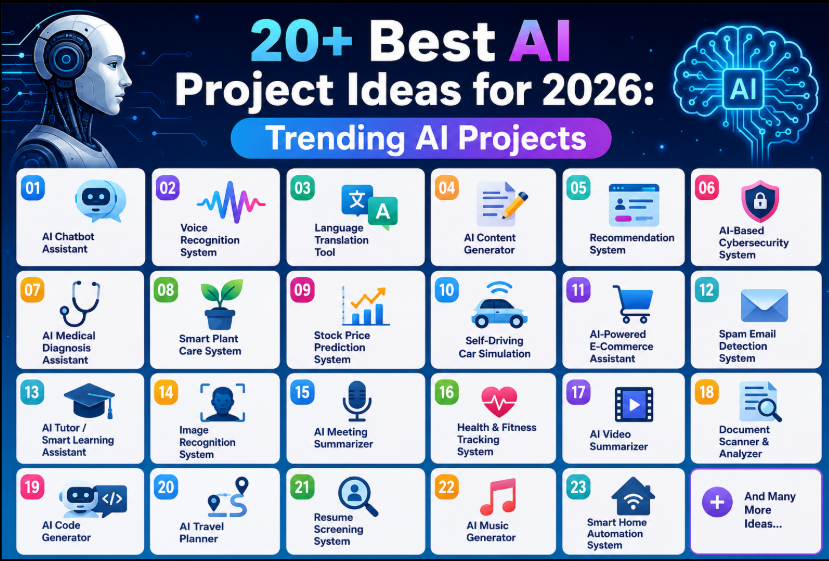
- Build Projects (Hands-On Experience is Key!): Theory is good, but practice is better. Start with small projects. Try building a generative text model, deploying a tiny ML model to a microcontroller, or analyzing a scientific dataset. Projects Hub is a great place to find inspiration and share your work!
- Specialize in a Niche: While general knowledge is good, consider specializing. Whether it's computer vision, natural language processing, reinforcement learning, or robotics, a specialization can make you stand out.
- Stay Updated: The AI field moves fast. Follow leading researchers, read tech blogs, attend webinars, and explore new libraries and frameworks.
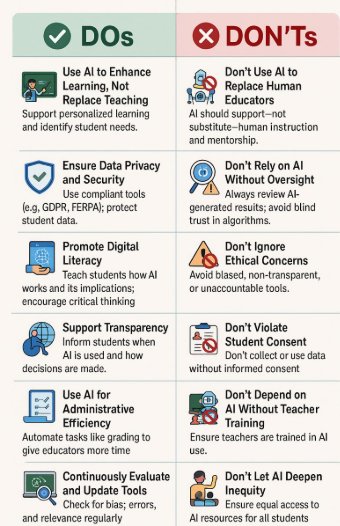
- Understand Ethics: Always consider the ethical implications of the AI you build. How can your project be biased? What are its societal impacts?
Essential Tools & Technologies
To navigate these trends, familiarize yourself with these common tools:
- Programming Languages: Python (with libraries like TensorFlow, PyTorch, Scikit-learn).
- Cloud Platforms: AWS AI Services, Google Cloud AI, Microsoft Azure AI – great for scaling and using pre-built models.
- Edge AI Frameworks: TensorFlow Lite, PyTorch Mobile, OpenVINO for deploying AI on devices.
- Data Tools: Pandas for data manipulation, NumPy for numerical operations, Matplotlib/Seaborn for visualization.
- Version Control: Git and platforms like GitHub for collaborative development.
Real-World Applications in Action
These trends aren't just theoretical; they're already shaping real products and services:
- Generative AI: AI-powered assistants generating realistic marketing copy, virtual fashion models, or even helping engineers prototype new designs faster.
- Edge AI: Smart security cameras analyzing footage locally, health trackers monitoring vital signs with on-device AI, and industrial robots performing predictive maintenance.
- AI for Scientific Discovery: Companies using AI to screen millions of drug compounds for potential treatments, accelerating climate modeling, and discovering new high-performance materials.
- Explainable AI: Financial institutions using XAI to explain why a loan application was approved or denied, or doctors understanding the rationale behind an AI-driven diagnosis.
Common Mistakes to Avoid
Even seasoned developers make mistakes. Here’s what to watch out for:
- Ignoring Data Quality: Garbage in, garbage out! Poor data leads to poor AI performance. Spend time cleaning and preparing your data.
- Over-complicating Models: Sometimes a simpler model is more effective and easier to understand than a complex neural network.
- Forgetting Ethical Considerations: Biased data, privacy issues, and unintended societal impacts can derail even the most innovative projects.
- Not Testing Enough: Thoroughly test your AI models in various scenarios, not just on your training data.
- Working in Isolation: AI is a collaborative field. Share your work, ask for feedback, and learn from others.
Your AI Journey Starts Now!
The future of AI in 2027 promises incredible advancements and opportunities. By understanding these trends and actively building your skills, you're not just observing the future – you're shaping it. Don't wait! Dive into these exciting areas, experiment, and collaborate.
Ready to kickstart your next AI project? Explore a wealth of resources and project ideas on Projects Hub today, or share your own innovations with the community!