Quick Summary
Discover how AI is transforming e-commerce, from personalized recommendations to smart chatbots. Learn key concepts, tools, and how to start building your
Full Article
Formatted content with headings, lists & code blocks
Unlocking E-commerce Growth: How AI is Changing the Game
Hey aspiring engineers and tech enthusiasts! Ever wondered how online stores always seem to know what you want to buy next? Or how they manage to deliver packages so efficiently? Much of that magic comes from Artificial Intelligence (AI). In today's fast-paced digital world, AI isn't just a buzzword; it's a powerful engine driving huge growth in e-commerce. Let's dive into how AI is helping online businesses thrive and how you can get involved.
What is AI in E-commerce? The Basics
At its core, AI in e-commerce means using smart computer systems to do tasks that usually require human intelligence. Think of it as giving your online store a "brain." This brain can:
- Understand Customers Better: By analyzing past purchases, browsing habits, and even social media activity.
- Automate Tasks: From answering customer questions to managing inventory.
- Predict Trends: Guessing what products will be popular next or when stock might run out.
It's all about making the shopping experience smoother, more personal, and more efficient for everyone.
Boosting Your Online Store with AI: A Simple Guide
Ready to see AI in action? Here's how businesses are using it right now:
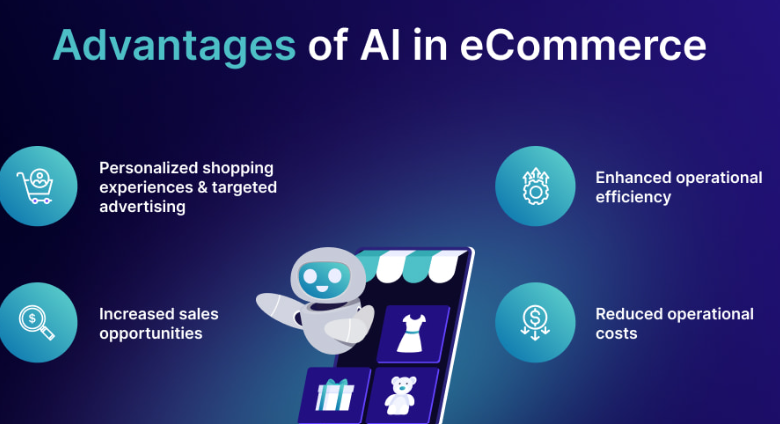
- Personalized Product Recommendations: Ever noticed "Customers who bought this also bought..."? That's AI! It suggests items you're more likely to buy, making shopping feel personal.
- Smart Chatbots and Customer Service: AI-powered chatbots can answer common questions 24/7, helping customers instantly and freeing up human staff for more complex issues.
- Optimized Inventory Management: AI can predict demand for products, helping businesses stock the right amount of goods. This reduces waste and ensures products are always available.
- Dynamic Pricing: AI can adjust product prices in real-time based on demand, competitor prices, and other factors to maximize sales.
- Fraud Detection: AI systems can spot unusual patterns in transactions, helping to prevent fraudulent purchases and protect both customers and businesses.
These applications make online shopping not just easier, but also more secure and tailored to each person.
Key Tools & Technologies for AI in E-commerce
If you're looking to build AI solutions for e-commerce, here are some areas to explore:
- Machine Learning (ML) Frameworks: Libraries like TensorFlow or PyTorch are essential for building recommendation engines and predictive models.
- Natural Language Processing (NLP) Tools: Used for building chatbots, analyzing customer feedback, and understanding search queries.
- Cloud AI Services: Platforms like Google Cloud AI, AWS AI/ML, and Microsoft Azure AI offer pre-built AI models and services that can be integrated easily.
- Data Analytics Platforms: Tools to collect, store, and analyze large datasets, which are the fuel for any AI system.
Understanding these technologies is a great starting point for any tech project in this field.
Real-World Impact: AI You See Every Day
Think about your favorite online stores:
- Amazon: Their recommendation engine is legendary, driving a significant portion of their sales.
- Netflix (and other streaming services): While not e-commerce in the traditional sense, their personalized movie suggestions use similar AI techniques to keep you engaged.
- Fashion Retailers: Many now use AI to help you "try on" clothes virtually or recommend outfits based on your body type and preferences.
These examples show how AI isn't just a future concept; it's a present-day reality improving our digital lives.
Common Mistakes to Avoid When Using AI
While AI is powerful, it's not a magic bullet. Here are some pitfalls to steer clear of:
- Poor Quality Data: AI models are only as good as the data they learn from. "Garbage in, garbage out" is a real problem.
- Ignoring the Human Touch: AI should enhance, not replace, human interaction, especially in customer service.
- Over-reliance on Automation: Some decisions still need human oversight. Don't automate everything without careful consideration.
- Lack of Clear Goals: Don't just implement AI because it's trendy. Define what problem you're trying to solve first.
Remember, AI is a tool; it needs smart human direction to be truly effective.
Ready to Build the Future of E-commerce?
AI is reshaping the e-commerce landscape, making online shopping smarter, faster, and more personal. For students and developers, this means a wealth of exciting opportunities to innovate and build. Whether you're interested in machine learning, natural language processing, or data analytics, there's a place for you to make a real impact.
Feeling inspired? Start exploring AI projects on Projects Hub today, or even better, kick off your own! The future of e-commerce is waiting for your brilliant ideas.